• Limitless Social Justice: Who is the Social Justice Advocate? 

    Spread the love

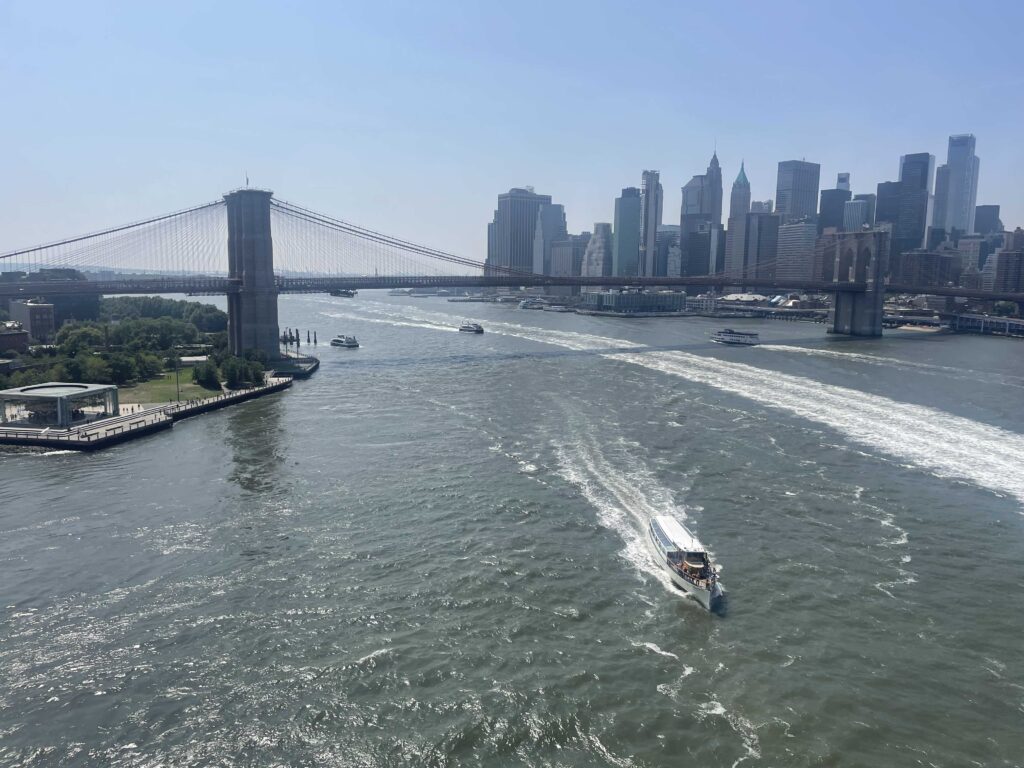
    Photo Credit: Zawdie G.

    You may have happened upon this site and wondered, 

    “Am I a social justice advocate?” 

    Your answer may have been an easy “Yes” or “No,” depending on your line of work. 

    But being a social justice advocate is not just about our daily grind. It’s not just about traditional forms of seeking social change. 

    It’s about our approach. 

    It’s about acting out of compassion and possibility—not fear and dearth.

    And so, regardless of your daily work, you may be a social justice advocate. We find ourselves in many contexts. 

    You are a social justice advocate if any of these statements resonate with you:

    • I want everyone to experience the benefits of being well positioned in our society;
    • I am in government to serve all of the community relevant to my office;
    • I am an adventurer who believes everyone should have access to awe;
    • I work at a company and think we have a role in advancing social good;
    • I work in an organization seeking to expand civil rights and civil liberties, access to social goods, or access to nature;
    • I believe that the arc of the universe bends towards justice when we make it so;
    • I want to transform my community into a more welcoming and sustainable place.

    WG Advocate PLLC will work with you to explore and enliven your unique social justice role. 
  • Getting Outside for Our Cause

    Spread the love

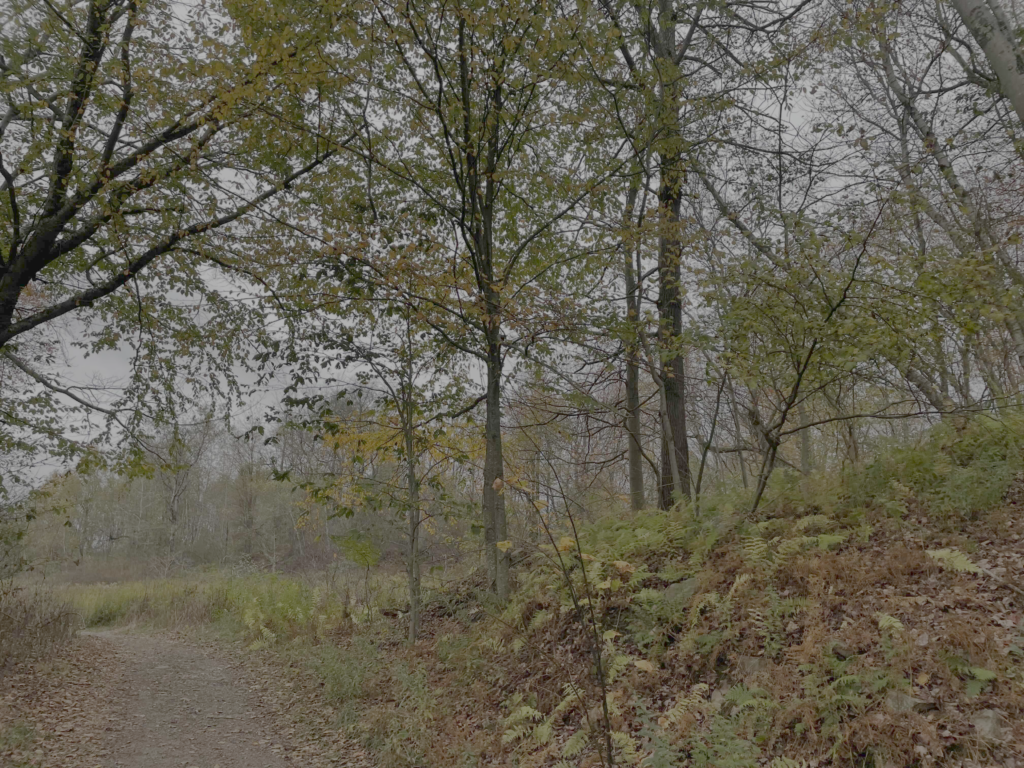
    Photo Credit: R.A. Wilkinson

    We need to get outside for our own good! Social-science research shows that our well-being is multidimensional. It encompasses emotional, physical, occupational, intellectual, social, and spiritual aspects of our lives and is a continuous process. Many of us are fueled to do social justice work because of its social, emotional, and intellectual importance. But we get swept away by the issues vexing us, and sometimes we let our well-being go by the wayside. 

    How can we better tend to ourselves? 

    How can we reinvigorate our commitment to our cause without burning out? 

    Well, there is a free way that can hit several of our well-being factors: nature. 

    Many studies have demonstrated the positive impacts of the outdoors. It increases our sense of joy. It reduces our stress. It strengthens our connections to each other. Amazing!

    So how can we get some of these benefits when we are so busy? Here are a few tips:

    1. Leave the building. Yes, that’s a serious suggestion. Having worked in social justice  organizations and Big Law, I understand the temptation to fix yourself to your desk and plug away. But you are only hurting yourself, your cause, and your clients. When you need a break, take a break. You will return more refreshed and focused. Exposure to nature improves our cognitive abilities. This doesn’t have to be a great adventure. Set a time for yourself to walk to a nearby park/garden, take that meeting outside, take that call outside, and most important, take your lunch outside, preferably with a friend. The nature you experience need not be wild. The studies show that even a small glimpse of green can impact us positively.
    2. Volunteer outside. This one is a powerhouse on the Venn diagram of well-being! You can benefit your favorite cause while meeting new people and exercising. You can do this by signing up for a charity event: walking, running, cycling, etc. You can volunteer for a community park cleanup. You can volunteer to plant trees. You can even volunteer as a docent in a local garden. The point is you will be meeting people while being outside and doing good. As a bonus, if you join a charity event, you may even get free training advice.
    3. Plan an active vacation. OK, this one isn’t free unless you happen to live near a national park. When we are stressed out, it helps to look forward to an activity. Why not make that an outdoor adventure on your next vacation? After reacquainting yourself with the outdoors, you may want to plan an epic adventure for when you do have that time away from your daily stresses. Plan it months ahead. That way you can spend the time in between training, i.e. doing the activity itself, in preparation for the adventure. This will give you a reason to be outside doing that favorite activity as much as possible. It’s a win-win!

    Taking the first step outside will help to build your momentum towards experiencing nature’s benefits. If you need an accountability partner, consider working with a coach who has experienced the pressures of high-stakes social justice work. Consider WG Advocate PLLC.

    Sources: 

    American Bar Association, “National Task Force on Lawyer Well-Being: Creating a Movement To Improve Well-Being in the Legal Profession,” 14 August 2017, 

    https://lawyerwellbeing.net/wp-content/uploads/2017/11/Lawyer-Wellbeing-Report.pdf.

    Weir, Kristen, “Nurtured by Nature: Psychological Research is Advancing Our Understanding of How Time in Nature Can Improve Our Mental Health and Sharpen Our Cognition,” Monitor on Psychology, 8 April 2025 (last updated) https://www.apa.org/monitor/2020/04/nurtured-nature. (Print version: Vol. 51, No. 3, p.50, 1 April 2020)

  • Fostering Workplace Well-being

    Spread the love

    Photo Credit: R.A. Wilkinson

    Yes, the pandemic and the Great Resignation resulted in a national conversation about burnout. But the discussion was well overdue and has brought to light our burnout battles at work and in our communities. Now, with the changing political and financial landscapes, these issues are becoming even more critical. Social justice leaders and workers are feeling the strain of working with less resources to meet more demanding needs. The work itself presented a natural stressor due to its importance, the need of many constituents, and resource challenges such as staffing shortages.

    And, while the work itself could also provide a necessary salvo in that dedication to a great mission fuels many of us to keep going, we also know that there can be too much of a good thing. As we seek to increase our impact, social justice leaders and seekers must ask the question: is my organization fostering a culture of well-being? Well-being is a holistic concept addressing all aspects of our lives, not just our workplace. It is too vast a topic to address adequately in a blog. 

    But there are some points we can flag.

    First, we have to recognize burnout as not just a symptom of a well-being problem in our organizations. Leaders are concerned about burnout, as demonstrated again and again, and most recently in the Center for Effective Philanthropy’s State of Nonprofits 2025 report.  According to the report, almost 90% of nonprofit leaders expressed concern about their own level of burnout (similar to 2024), and almost 90% expressed concern about staff burnout.  41% expressed moderate concern about staff burnout, and 17% expressed high concern about staff burnout.  (Report at 19-20) 

    We must learn to see burnout as a call to examine organizational culture. 

    We must ask:  Are we fostering a culture of well-being?

    And then, we need to acknowledge that burnout is not just an individual problem to be addressed by the people experiencing it most acutely, but a sign of a cultural/organizational problem. 

    As a social justice organizational leader, is retention a problem despite having a laudable mission? 

    As an employee in an organization with an amazing mission, are you still finding it difficult to keep going? 

    Solutions go beyond the HR department and beyond benefits. They require organizational leaders and social justice seekers to consider belonging, engagement, and mission clarity. How we address these three subjects impacts how we move forward. 

    WG Advocate PLLC can be your partner in grappling with these questions.